Lubang Hitam: The Elegant Script Font for Handmade Brands
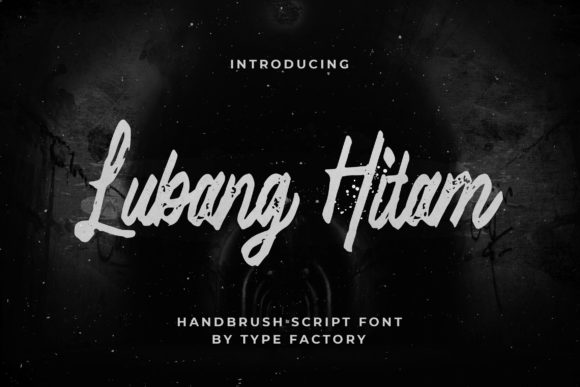
As a maker who spends hours cutting vinyl, printing labels, and designing invitations, I know that the right typeface can make or break a product. It is not just about letters; it is about the feeling those letters evoke in a customer's mind. When I discovered Lubang Hitam, I immediately saw its potential to elevate my small shop's offerings. This lovely and delicate script font exudes elegance and class, offering exactly the kind of well-balanced look that handmade goods deserve. Whether you are creating wedding stationery, boutique packaging, or digital printables, this premium font brings a level of sophistication that generic system fonts simply cannot match.
Why Lubang Hitam Stands Out for Product Creators
In the world of craft business, visual appeal drives sales. Customers often judge the quality of a physical item by its presentation before they even touch it. Lubang Hitam was particularly crafted for designers who need beauty without sacrificing readability. Its strokes are fluid yet controlled, avoiding the messy tangles that some overly decorative handwritten fonts suffer from. This clarity is crucial when you are working with small-scale projects like candle labels, jewelry tags, or sticker sheets where every pixel counts.
The charm of this creative font lies in its versatility. It feels personal and artisanal, which aligns perfectly with the ethos of the handmade community. When used on a farmhouse sign or a welcome board, it adds a touch of warmth. When applied to high-end wedding invitations, it conveys luxury. This duality makes it an essential asset for any creator looking to expand their product line across different niches while maintaining a cohesive brand identity.
Practical Applications for Physical and Digital Goods
One of the biggest challenges we face as sellers is finding a display font that works across various mediums. Lubang Hitam shines in several key areas of product creation:
- Product Packaging and Labels: Use it for soap wrappers, candle jars, and coffee bag seals. The elegant curves suggest a premium, small-batch quality that justifies a higher price point.
- Wedding and Event Stationery: From save-the-dates to menu cards, this script font provides the romantic flair couples are looking for. It works beautifully on kraft paper, textured cardstock, and acrylic invites.
- Vinyl Decals and Signs: For Cricut and Silhouette users, the clean lines of Lubang Hitam cut cleanly without excessive weeding. It is perfect for custom name signs, nursery wall art, and car decals.
- Digital Downloads: If you sell printable planners, SVG bundles, or social media templates, this typeface adds immediate value. Customers love downloading assets that look professionally designed.
- Apparel and Tote Bags: When heat-pressing designs onto shirts or bags, the balanced weight of the letters ensures the design remains legible even after multiple washes.
Readability and Design Best Practices
While Lubang Hitam is undeniably beautiful, practical application requires attention to detail. As a script font, it is best suited for short phrases, names, titles, and decorative wording rather than long blocks of text. Using it for body copy can reduce readability, especially on small product labels or mobile screens. Instead, reserve it for the headline or the customer's name to create a focal point.
When preparing files for cutting machines, always ensure your nodes are optimized. Because this font features delicate connections between letters, resizing it too small can cause thin lines to break or disappear during the cutting process. For stickers under two inches, test a sample cut first. If you are printing for commercial use, remember that vector formats (like OTF or TTF converted to outlines) will give you the crispest edges for large format signs, while rasterized versions work well for web graphics and social media posts.
Mastering Font Pairing for Professional Results
To get the most out of Lubang Hitam, consider how it interacts with other design assets. A common mistake is pairing a fancy script with another busy font, which creates visual clutter. Instead, try these combinations:
- Script + Sans Serif: Pair Lubang Hitam with a clean, geometric sans serif font. This contrast allows the elegance of the script to pop while the sans serif handles informational text like addresses, ingredients, or dates with modern clarity.
- Script + Simple Serif: For a more traditional or literary feel, combine it with a classic serif font. This works exceptionally well for book covers, vintage-style labels, and formal invitation suites.
- Script + Bold Display: If you are making bold statements on tote bags or posters, pair the delicate strokes of Lubang Hitam with a heavy, bold display font to create a dynamic hierarchy that grabs attention.
Technical Features and Commercial Licensing
Before integrating Lubang Hitam into your workflow, it is wise to check the specific file details included in your download. Many modern premium fonts come with OpenType features such as alternates, ligatures, and swashes. These tools allow you to customize the look of specific letters, ensuring that no two words look exactly the same—a huge plus for creating unique logo design concepts or personalized gifts. Additionally, verify if the font supports multilingual characters if you plan to sell to international customers.
Finally, a critical note on licensing: as small business owners, we must respect intellectual property. Ensure you have the appropriate commercial font license for your intended use. Most standard licenses allow you to use the font for creating physical end-products like shirts, mugs, and printed invitations that you sell. However, if you plan to sell the font file itself, create editable templates where the customer can change the text, or use it in a logo that you will trademark, you may need an extended license. Always read the terms carefully to protect your shop and respect the type designer's hard work.
Incorporating Lubang Hitam into your creative toolkit is more than just a stylistic choice; it is a strategic move to enhance the perceived value of your crafts. By combining its elegant aesthetic with smart design practices, you can create products that not only look beautiful but also resonate deeply with your customers.